 Grover Alice
A dental practice’s online presence is often the first point of contact for patients. People search for treatments, cosmetic options, or trusted providers through directories, reviews, and search engines. At the center of this is the practice’s link profile—the network of backlinks pointing to its website, which requires regular backlink audit to stay effective.
Traditional link audits focus only on SEO rankings, which is not enough for healthcare providers. Dental practices need audits that also address patient trust, privacy, and reputation. This article explains why standard audits fall short and what a healthcare-focused approach should include.
Why a Standard Backlink Audit Isn’t Enough for Healthcare
Conventional SEO audits assess links through an algorithmic lens, aiming to satisfy search engine requirements.
Their primary aims are:
- Reduce risk by discovering and disavowing hazardous connections that may result in fines.
- Enhance ranks, get links from sites with high domain authority (DA).
- Analyze and vary anchor text patterns to appear more natural.
While these are all important technical objectives, they ignore the unique context of healthcare marketing. A link is not just a signal of popularity to a search engine; it is a point of reference and endorsement for a potential patient.
A link from a questionable source—a fringe health blog promoting unproven remedies, a foreign pharmacy site, or an anonymous forum—doesn’t just harm your SEO. It can severely damage the hard-earned trust you have built with your community.
A healthcare-oriented audit broadens the definition of a “toxic” link. It is not only about links that Google may flag, but also about links that patients could see as confusing, misleading, or harmful to professional credibility. The goal is to keep the digital presence clean, professional, and trustworthy, reflecting the same standards of care maintained in the operatory.
The Pillars of a Healthcare-Oriented Link Profile Audit
A comprehensive audit for a dental practice moves beyond spreadsheet data of Domain Authority and spam scores. It is a meticulous process built on four core pillars:
- Reputation and Trust Validation
This is the cornerstone of the healthcare audit. Every referring domain must be evaluated not just for its SEO power, but for its intrinsic credibility and alignment with your practice’s values.
Source Vetting
Where is the link coming from?
- Ideal: Links from dental associations, accredited medical institutions, reputable health portals (WebMD, Healthgrades), local chambers, and trusted news sites.
- Concerning: User-generated platforms, thin-content blogs, “miracle cure” sites, non-FDA product pages, or sites tied to malpractice or unethical practices.
- Action: Flag and remove links from concerning sources, even with low spam scores, as they pose reputational risks.
Content Context
How is your practice being mentioned? A link embedded within a negative or neutral review on a third-party site requires a different strategy than a link in a “Top Dentists” list. The audit must capture the tone and context of the mention.
- Compliance and Privacy Safeguarding
The healthcare business is subject to strict regulations, such as the Health Insurance Portability and Accountability Act (HIPAA) in the United States. A link profile should be extensively evaluated for any compliance concerns.
Patient Information Leaks
A shocking but common issue is finding patient testimonials or reviews on external sites that inadvertently reveal Protected Health Information (PHI). While the link itself might not be the problem, the audit process should identify these risky pages and alert the practice to work with the site owner to edit or remove the PHI.
Associate Endorsements
Links from pharmaceutical companies or dental supply manufacturers can be perceived as an endorsement, which may require disclosure to avoid conflicts of interest or compliance issues. The audit should flag these for review.
Data Privacy Standards of Referring Domains
Links from insecure (non-HTTPS) websites can erode user trust, even if they redirect to your secure site. To reinforce your practice’s commitment to privacy, prioritize acquiring links from secure, reputable sources.
- Local SEO and Community Authority Building
For most dental practices, patients come from a specific geographic radius. Therefore, the local link profile is infinitely more important than the global one.
NAP Consistency (Name, Address, Phone Number)
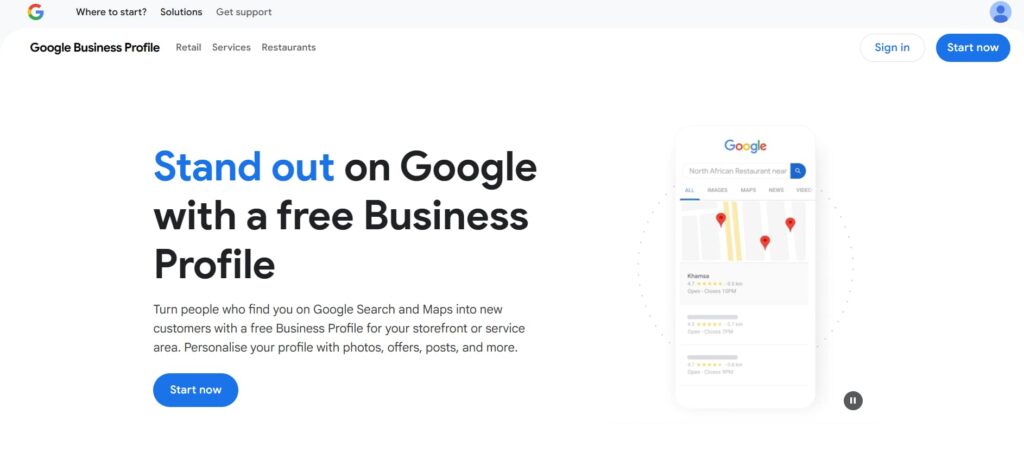
An audit must ensure that your practice’s information is consistent throughout major directories (Google Business Profile, Bing Places, Apple Maps, Yelp, Yellow Pages, etc.).
Even minor discrepancies might mislead search engines and patients, reducing local ranks and resulting in missed appointments.
Local Relevance
A link from the local community blog, school district website, or charity event you sponsor is worth more than a link from a high-authority but irrelevant national news site. The audit should categorize and weight links based on their local relevance and their power to drive actual local patients to your website.
Competitor Gap Analysis
A healthcare-focused audit will also look at the link profiles of your top local rivals. Where do they obtain their connections from? Which local groups have endorsed them?
This study offers practical prospects for your personal outreach, such as collaborating with a local sports team you hadn’t considered or being featured in a local web directory you didn’t know about.
- Technical SEO and UX Integration
Finally, the audit must address the technological underpinnings to ensure that links provide a consistent experience for both users and search engines.
Broken Links & Redirects
The audit must identify broken links (404 errors) pointing to your site from external sources. These represent a poor user experience and a wasted opportunity. Outreach requests to these sites should ask them to update the link to a valid, relevant page on your site.
Link Attributes
Ensuring that links from external sites have suitable characteristics (e.g., rel=”nofollow” for links in user-generated content such as comments) is a best practice that assists search engines in understanding the nature of the recommendation.
Anchor Text Analysis
While diversity is key, the audit should ensure that the anchor text is natural and descriptive (e.g., “Dr. Smith’s Dental Practice,” “emergency dentist in [City],” “learn more about dental implants”) rather than overly optimized and spammy keyword strings. Natural language reflects authenticity.
Implementing the Audit: A Step-by-Step Process
Understanding why a healthcare audit is vital is critical, but the true benefit comes from implementation. A defined step-by-step method transforms the framework into a workable strategy.
Discovery and Crawling
Use a suite of professional SEO tools (e.g., Ahrefs, Semrush, Moz) to pull a complete list of all backlinks pointing to your website. This is your raw data set.
Healthcare-Specific Categorization
Manually or using custom filters, categorize each referring domain. Go beyond “Good” or “Bad.” Create categories like:
- Professional Associations,
- Health Portals & Directories,
- Local Business Listings,
- Patient Review Sites,
- News & Media,
- Spam/Reputational Risk,
- Unclassified (for manual review).
Contextual Analysis
For links in the “Unclassified” and concerning categories, visit each webpage. Read the content surrounding the link. What is the context? Is it positive? Neutral? Is it a full article or a buried comment? Document these findings.
Compliance Check
Scan the pages on your own site that are being linked to most frequently. If they contain testimonials, ensure no PHI is present. Check that linked pages are secure (HTTPS).
Local NAP Audit
Use a local SEO tool to run a citation audit across the web, identifying inconsistencies in your business information that need to be cleaned up.
Action Plan Development
Create a three-pronged action plan:
- Remove: Find links from spam or reputational-risk sites and initiate outreach to request removal.
- Reclaim: Locate broken links or incorrect mentions (such as name misspellings) and contact site owners for corrections.
- Acquire: Use competitor gap analysis and local relevance insights to create a list of high-value, trustworthy websites for new link opportunities. This forms the basis of proactive growth.
The Ultimate Goal: From Search Engines to Patients
A healthcare-oriented link profile checkup is an investment in your practice’s most valuable digital asset: its reputation. By adopting this holistic approach, you achieve far more than just improved SEO.
You Build Patient Confidence
A clean, professional, and authoritative link profile assures potential patients that they are making the right choice before they even call your office. It demonstrates that your peers, your community, and reputable institutions vouch for your care.
You Ensure Compliance
In a business where there is little tolerance for privacy violations, proactively managing your digital references reduces unknown risks and protects your practice from potentially catastrophic compliance difficulties.
You Drive Qualified Growth
By focusing on locally relevant and trustworthy links, you attract patients who are already predisposed to trust you. You don’t just get more traffic; you get the right traffic—patients who value quality care and are more likely to become loyal advocates for your practice.
Best Solutions for Dental Practice Link Profile Checkups

When it comes to implementing a healthcare-focused backlink audit, not every SEO provider is equipped to handle the compliance, trust, and patient-sensitivity requirements of dental practices. Below are services that provide specialized solutions for healthcare link profile audits:
3XE Digital
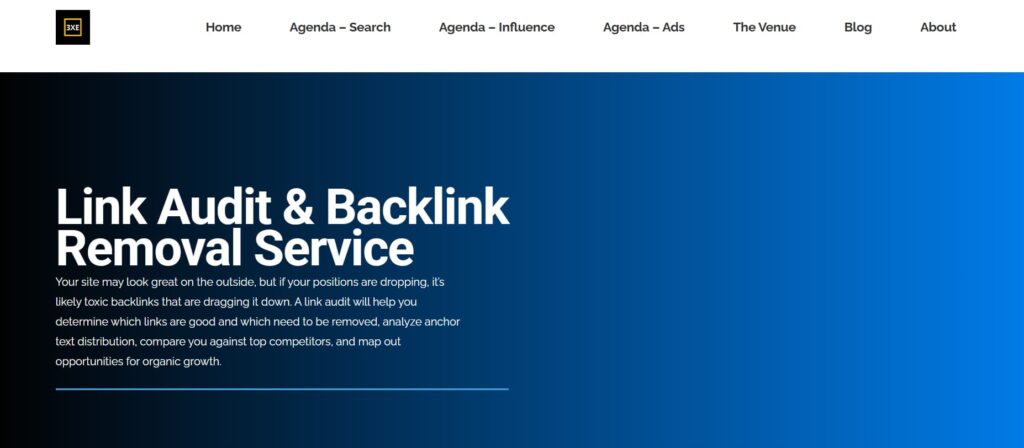
https://3xedigital.com/link-audit-service/
3XE Digital provides specialized backlink audit services designed to help businesses, including healthcare and dental practices, protect and strengthen their online visibility. Their process begins with a deep backlink scan across multiple SEO databases to ensure no valuable or harmful link goes unnoticed. Each link is then evaluated for authority, relevance, placement, and anchor text distribution to identify risks and opportunities.
By analyzing competitor anchors and link profiles, 3XE Digital uncovers optimization gaps and potential link-building prospects. They also assist with toxic link removal through outreach and disavow files, ensuring long-term site health.
Unlike agencies that deliver generic reports, 3XE Digital offers tailored recommendations, walks clients through findings, and builds actionable strategies to restore rankings, prevent penalties, and create sustainable SEO growth.
Anablock
https://www.anablock.ai/seo-audits
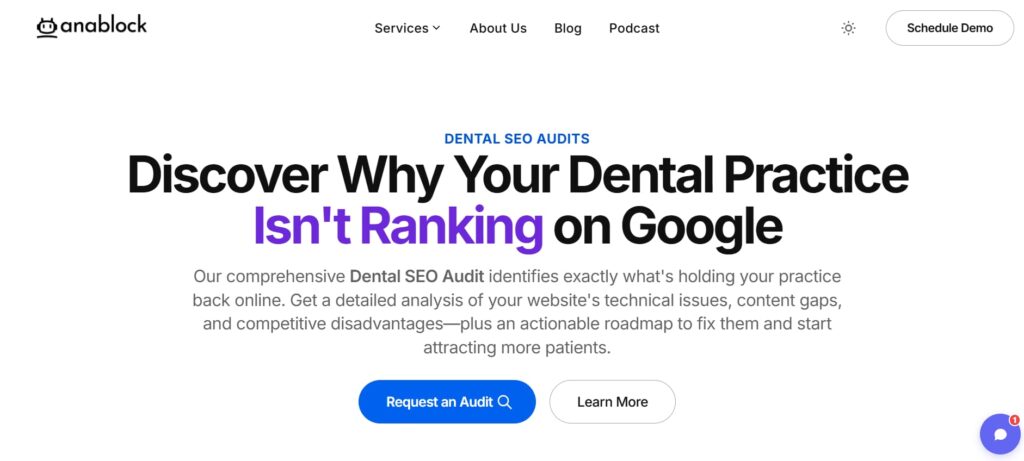
Anablock is an SEO company that provides detailed audit solutions designed for dental practices. Their 120-point dental SEO audit examines all key aspects of website performance, including crawlability, mobile-friendliness, schema markup, content optimization, keyword use, and competitor insights.
The service also evaluates local SEO factors like Google Business Profile and citations, along with a detailed link profile analysis to uncover harmful links and highlight opportunities to strengthen authority.
Through organized reports, competitor comparisons, and actionable recommendations, Anablock enables dental practices to improve search visibility, attract qualified patients, and sustain a solid online presence.
UppercutSEO
https://uppercutseo.com/link-building-for-dentists/
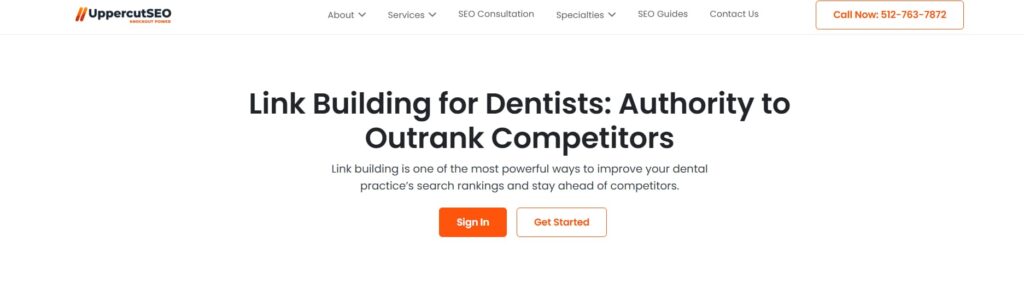
UppercutSEO is an SEO agency with more than 20 years of experience in competitive markets, focused on helping dental practices grow through targeted link-building. The company secures high-quality backlinks from reputable medical, dental, and local business websites, avoiding low-quality or spam tactics.
Its approach is based on manual outreach, ensuring links are placed in relevant and credible content that supports visibility and patient trust. By customizing strategies to match each practice’s specialty and location, UppercutSEO provides backlinks that improve search rankings, bring in qualified leads, and support revenue growth.
Conclusion
A healthcare-oriented backlink audit is a non-negotiable component of modern dental practice management. It is a practical and necessary procedure that moves beyond basic SEO to actively protect and enhance your practice’s reputation, ensure regulatory compliance, and secure its financial health.
By systematically auditing your digital links, you make a strategic investment that safeguards your practice from risk and drives sustainable, trustworthy growth. Ultimately, this process ensures your online presence accurately reflects the quality and professionalism of the care you provide.