
 Grover Alice
For centuries, literature has repeatedly adapted to new media. Manuscripts were replaced by printed books, audiobooks followed later, and today e-books, digital archives, and literary portals are a natural part of the media landscape. The printed book has by no means disappeared. Instead, different formats coexist and reach people in different ways.
Above all, the internet has changed how readers discover new authors and works. A quick search can lead to reviews, biographies, academic articles, or digitized primary sources. This makes it easier to place literary texts in their historical and cultural context. At the same time, new opportunities are emerging for readers to exchange ideas with one another.
How the Internet Changes Our Choice of Content
Digital platforms offer an enormous range of content. This applies to books as well as films, music, podcasts, and other forms of entertainment. Users therefore have to decide more often which recommendations and sources they can trust. Search engines, specialist portals, and editorial content play an important role in helping people navigate this choice.
A similar principle can also be found in digital gambling offers, where comparison and information sites explain individual promotions and conditions. Anyone looking, for example, for a bonus, free spins, or offers without a prior deposit can find comparative information at https://bonus-jaeger.de/. With such offers, the advertised benefit should always be considered alongside conditions such as wagering requirements, time limits, and eligibility criteria.
With cultural content, guidance works differently, but the basic challenge is similar: a large selection needs structure. Readers do not want to examine hundreds of results one by one; they want to quickly identify which content matches their interests. Well-organized archives, library catalogs, and editorially managed portals can help.
Digital Archives Preserve Literary Knowledge
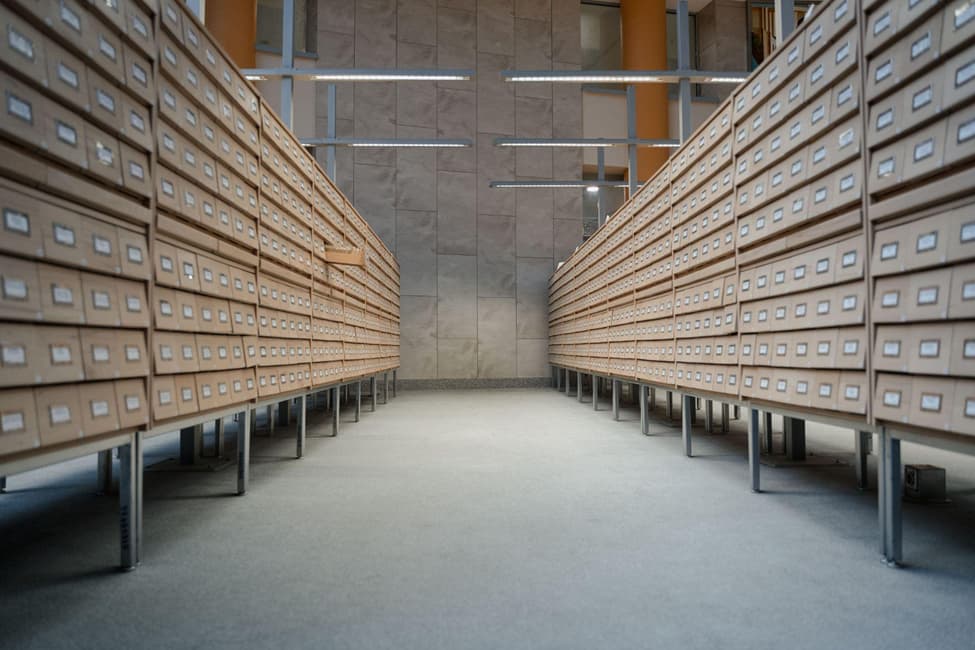
One of the most interesting developments is the digitization of historical collections. Manuscripts, letters, old editions, and other documents can now sometimes be viewed without having to travel to a particular archive.
This benefits more than just scholars. Interested readers can also access materials that were once available only to a small group of people. In the case of well-known writers in particular, original documents can help explain how a work was created or provide a better understanding of the author’s personal circumstances.
For the long-term preservation of cultural collections, the Deutsche Digitale Bibliothek plays a special role. It connects digital resources from numerous cultural and knowledge institutions, making a wide range of historical sources easier to access.
However, digitization involves more than simply scanning old pages. Documents need to be described, categorized, and stored for the long term. Only then do large digital collections become genuinely usable.
Why Biographies Change the Way We View Literature
Many readers want not only to discover a work, but also to understand the circumstances in which it was created. Biographical information can provide important context.
For twentieth-century writers, for example, letters, interviews, and diaries are often important supplementary sources. They show the personal and social experiences that accompanied an author’s work.
Even so, literary interpretation should not be reduced solely to biography. A novel or poem can develop different meanings that extend beyond the author’s original life circumstances. It is precisely this openness that makes literature interesting to different generations.
Literature Is Now Shared Through Many Channels
In the past, literary criticism and recommendations were closely tied to newspapers, magazines, and professional critics. Today, the field is much broader.
Readers publish reviews on blogs, discuss books on social networks, or talk about new releases in podcasts. As a result, titles that receive little attention in traditional media can also find an audience.
This diversity has advantages, but it also makes sources harder to evaluate. A personal recommendation serves a different purpose from an academic analysis. Readers should therefore consider who published a contribution and what evidence or basis supports its claims.
Libraries also continue to play an important role in bringing literature to readers. They have long offered more than printed books alone and often provide digital media, events, and information services as well.
Copyright Remains Relevant Online
The easy availability of digital content can create the impression that texts and images found online may be used freely. That is not automatically the case.
Anyone who publishes literary texts, reproduces longer passages, or uses images must take existing rights into account. Different rules may apply depending on the work, when it was created, and how it is used.
Information on this topic is provided by the Deutsche Patent- und Markenamt zum Urheberrecht. For operators of websites, blogs, or digital archives in particular, it is sensible to become familiar with the basic rules before reusing third-party content.
This also applies to historical materials. The age of a document alone does not necessarily mean that all content associated with it can be used without further review.
Digital Reading Communities Create New Perspectives
Literature has always been a starting point for conversation. Digital spaces have simply expanded that exchange. People in different cities or countries can now discuss the same book without meeting in person.
Online reading groups make it possible to discuss individual chapters, characters, or interpretations. This can reveal perspectives that a reader might not have considered on their own.
Why Printed Books Still Have Their Place
Increasing digitization does not necessarily mean the end of the printed book. The two formats meet different needs.
Digital books are easy to carry and quickly accessible. Printed editions, by contrast, offer a physical reading experience and require no technical device. Which format a person prefers depends greatly on their individual circumstances.
Conclusion: Literature Changes Its Medium, Not Its Meaning
Digital technologies have greatly expanded access to literature. Archives are becoming available online, readers can exchange ideas across great distances, and background information can be found more quickly.
At the same time, the basic requirements remain the same. Sources must be evaluated carefully, copyright must be respected, and information must be placed in context. Digital tools can make this process easier, but they do not replace critical engagement with a text.
Literature therefore remains relevant even in an increasingly digital world. What has changed most are the ways in which people discover, read, examine, and discuss literary works.